1 General Description
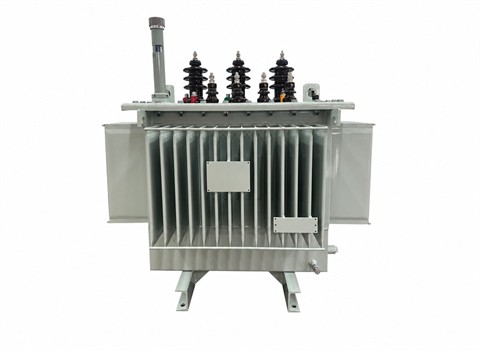
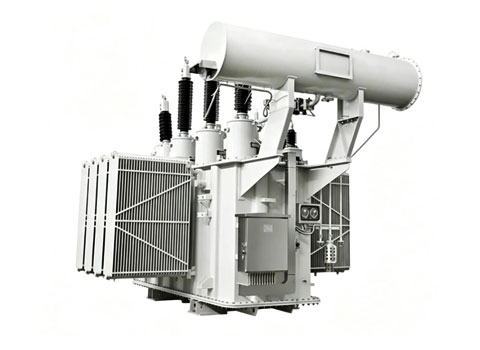
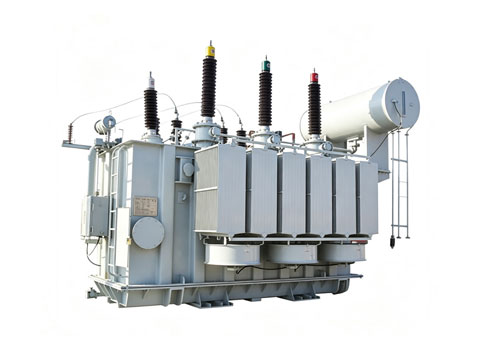
Earthing transformer creates an artificial neutral point for ungrounded 6 kV, 10 kV and 35 kV distribution networks. It works in coordination with arc‑suppression coils or neutral‑earthing resistors to mitigate earth‑fault capacitive current, suppress arc‑ground over‑voltage and ferro‑resonance, protect equipment insulation and improve power‑supply reliability.
With expanding cable‑based distribution networks, the system capacitive earth current may exceed 10 A. Single‑phase earth faults may generate intermittent arcs, which trigger destructive over‑voltages, phase‑to‑phase short‑circuits, VT burnout and surge‑arrester failure. Earthing transformers become essential equipment for safe network operation.
Classification
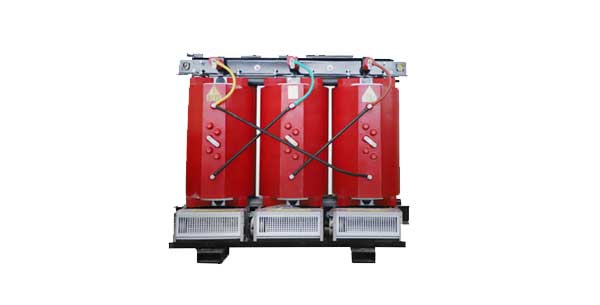
- By dielectric medium: Oil‑immersed type, Dry‑type
- By phase configuration: Three‑phase earthing transformer, Single‑phase earthing transformer
Three‑phase earthing transformers are mostly built with ZNyn (zig‑zag / Z‑connection). The integrated secondary winding can serve as station‑service transformer to save substation space and investment. Single‑phase earthing transformers are commonly matched with neutral‑earthing resistor cabinets for generators or main power transformers.
Core performance features
- Low zero‑sequence impedance for free flow of zero‑sequence fault current
- High excitation impedance to limit no‑load current
- Low no‑load loss for economical continuous operation
- High impedance for positive‑/negative‑sequence currents; low impedance for zero‑sequence current
2 Winding Connection Configurations
| Connection Group |
Technical Features |
Limitations |
| YNyn |
Neutral point accessible on HV side. On 3‑limb core, zero‑sequence flux closes through tank and clamping structure and causes local overheating. |
Permitted arc‑suppression‑coil capacity ≤ 20 % of transformer rating; poor capacity utilization. Rarely used as dedicated earthing transformer in China. |
| YNd |
Delta secondary provides zero‑sequence circulating path with reduced zero‑sequence reactance. |
When secondary is fully loaded, arc‑suppression‑coil capacity limited to 50 % transformer rating; delta winding is inconvenient for mixed lighting‑power loads. |
| YN‑open delta |
Resistors/reactors can be connected across open‑delta terminals to adjust zero‑sequence impedance and suppress ferro‑resonance. |
Cannot supply station‑service power; complex construction and higher cost; limited application. |
| ZNyn (Zig‑zag, Preferred Worldwide) |
Zero‑sequence magnetomotive forces of two opposite‑direction windings on each core limb counteract each other. Zero‑sequence impedance reaches only 6‑10 Ω. It can carry arc‑suppression‑coil load up to 90‑100 % of transformer rating. The yn‑connected LV winding can supply substation auxiliary loads. |
Z‑connection requires approx. 1.15 times more turns than wye‑connection; transformer rated capacity should be sized 1.05‑1.15 times of arc‑suppression‑coil capacity. |
ZNyn is the dominant connection for earthing transformers. Typical auxiliary‑winding rating ranges from 80 kVA to 200 kVA.
3 Operating Principle (ZNyn connection)
During single‑phase‑to‑earth fault, fault current flows via earth to the neutral point of earthing transformer and splits equally into three‑phase windings.
The zero‑sequence magnetomotive forces from oppositely‑arranged winding sections on each core limb largely cancel each other. Zero‑sequence leakage flux is minimized, yielding very low zero‑sequence impedance. The neutral point allows smooth flow of compensation current from arc‑suppression coil, while three‑phase line‑to‑line voltages remain symmetrical. The system is allowed to operate with earth‑fault condition for 2 hours.
Under normal balanced operation, positive‑ and negative‑sequence magnetic flux circulates inside core limbs, presenting high positive‑/negative‑sequence impedance and low no‑load losses.
Manufacturing tolerances prevent perfect flux cancellation, resulting in practical zero‑sequence impedance of 6‑10 Ω, far lower than ~600 Ω of ordinary wye‑connected transformers.
4 Main Technical Parameters
- Rated Capacity: Primary‑side rated capacity of earthing transformer = 1.05‑1.15 × arc‑suppression‑coil capacity. Example: For a 200 kVA arc‑suppression coil, select 215 kVA earthing transformer.
- Neutral Compensation Current: Total neutral‑point current under single‑phase earth fault; permissible continuous operating duration is 2 hours, consistent with arc‑suppression‑coil duty.
- Zero‑sequence Impedance: Critical parameter affecting relay protection, fault‑current magnitude and over‑voltage suppression. Typical value for ZNyn earthing transformer: 6‑10 Ω.
- Losses: For transformers fitted with secondary winding, no‑load loss is comparable with conventional double‑winding transformers of same rating. When secondary winding runs at full load, primary winding carries light load and gives lower load loss.
- Temperature‑rise Limits (per national standards)
- Under continuous rated current: comply with standard for dry‑type / oil‑immersed power transformers.
- Short‑time 10 s fault (neutral‑resistor grounding): follow transformer short‑circuit temperature‑rise criteria.
- Working with arc‑suppression coil (2‑hour fault duration): winding hot‑spot temperature rise limited to 100 K; maximum hot‑spot temperature kept within 140‑160 ℃ to guarantee insulation service life.
5 Application Notes
ZNyn zig‑zag earthing transformers are widely deployed for 6‑35 kV distribution networks in China to fulfill both neutral‑grounding compensation and substation auxiliary‑power supply. Zig‑zag earthing transformers are also popular overseas for distribution‑network earth‑fault protection. Direct neutral‑grounding for this equipment remains under research and has not been adopted in practical projects in China.